Advantages of methanisation: the benefits for agriculture and industry
Advantages of methanisation : Anaerobic digestion is a key technology in the energy transition for agriculture and industry, converting organic waste into biogas and digestate. This process reduces greenhouse gas emissions, limits waste sent to landfill, and replaces chemical fertilizers with natural fertilizers. The biogas produced is used to generate electricity, heating, or fuel, reducing dependence on fossil fuels. By creating local jobs and promoting the circular economy, anaerobic digestion combines environmental, energy, and economic benefits.
In light of current environmental and energy challenges, anaerobic digestion stands out as an essential technology for reconciling sustainable waste management and renewable energy production. This biological process used in agriculture, based on the breakdown of organic matter by microorganisms in the absence of oxygen, transforms waste into biogas, a versatile energy resource, and digestate, a natural fertilizer.
Beyond its contribution to the energy transition, methanization offers multiple benefits: it reduces greenhouse gas emissions, recycles biowaste, and supports the local economy. What are the environmental, energy, and economic benefits of methanization? What is its role in a sustainable development model and what are its positive impacts for communities, industries, and farms?

Advantages of methanisation: the environmental benefits
The Advantages of methanisation include significant environmental gains for agriculture and industry by transforming organic waste into useful resources while reducing its negative impact on the environment
Reduction of methane emissions from landfills
Unrecycled biowaste in landfills emits methane, a greenhouse gas with a global warming potential 28 times greater than that of carbon dioxide (CO₂). By diverting this waste to anaerobic digestion plants, the gas is captured and converted into biogas, thereby limiting its impact on the climate. This process contributes directly to the mitigation of greenhouse gas emissions, a key objective of international environmental policies.
Reduction of organic waste
Methane production also makes it possible to recover a wide range of organic waste from agriculture and livestock farming, including food waste, livestock manure, and industrial residues. It offers a sustainable alternative to incineration and landfill, which are energy-intensive and generate pollution (air pollution, leachate). By treating these materials locally, methanization reduces the volume of unrecycled waste and helps to comply with regulations on bio-waste management, particularly those requiring sorting and recycling.
Advantages of methanisation: production of a natural fertilizer (digestate)
Digestate, a solid or liquid residue from anaerobic digestion, is an environmentally friendly alternative to chemical fertilizers. Rich in essential nutrients such as nitrogen, phosphorus, and potassium, it can be used as a natural fertilizer for agricultural soils. In addition to promoting soil fertility, the use of digestate reduces the environmental impacts associated with the manufacture and use of chemical fertilizers, including CO₂ emissions and soil and groundwater pollution.
Advantages of methanisation: the energy benefits
Methane production converts organic waste into biogas, a renewable energy source with multiple applications. This process plays a crucial role in reducing dependence on fossil fuels by offering environmentally friendly alternatives for various uses.
Production of electricity and heat
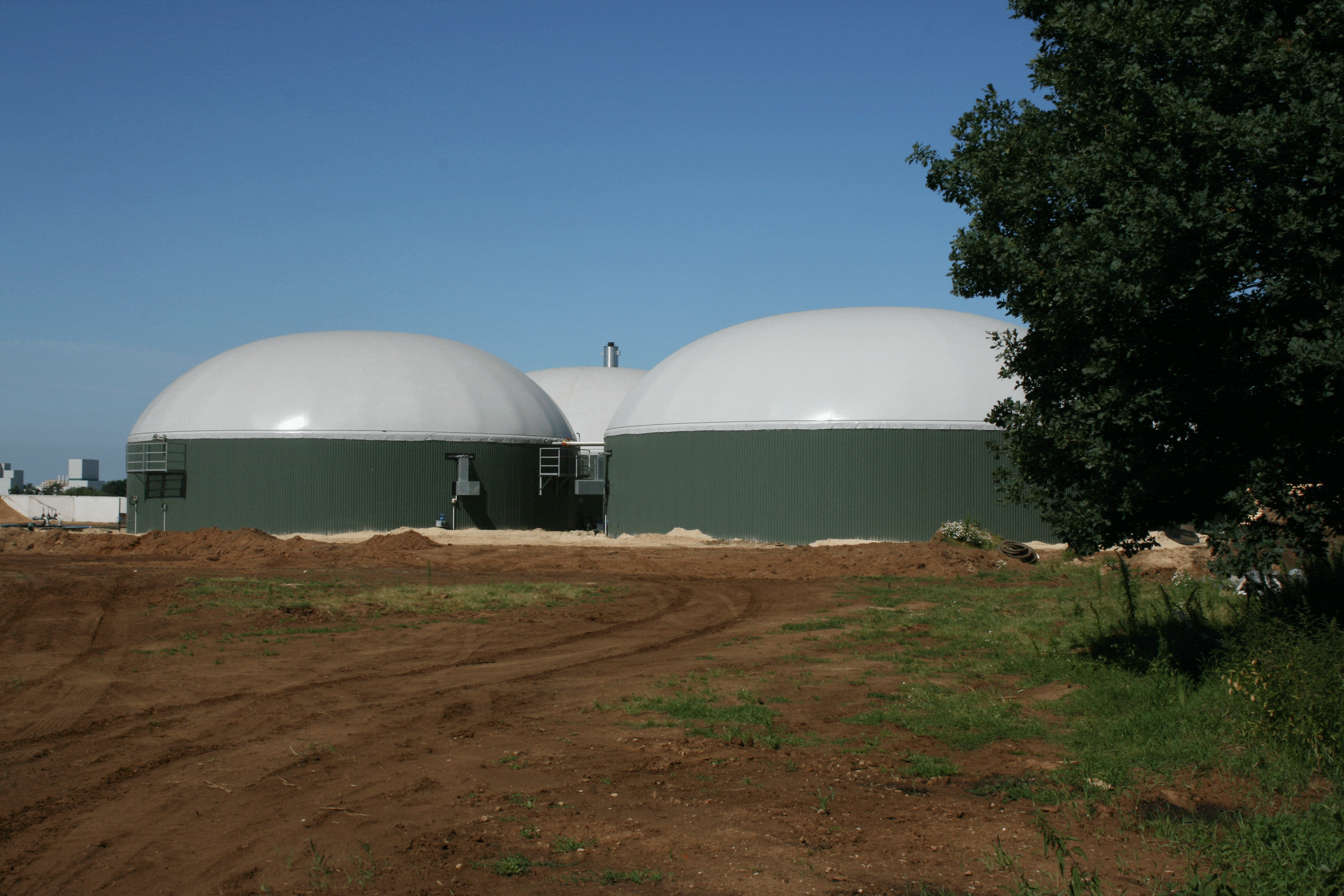
When used in cogeneration units, biogas can be used to produce electricity and heat simultaneously. This dual use is particularly suitable for industries, local authorities, and farms, which can thus meet their energy needs while reducing their carbon footprint. For example, the advantages of methanization in agriculture with industrial units make it possible to supply heating networks for nearby public buildings or residential areas.
Injection into natural gas networks
Once purified to meet natural gas quality standards, biogas becomes biomethane, a renewable alternative equivalent to fossil gas. This biomethane can be injected into distribution networks, contributing to the decarbonization of energy consumption by households and businesses. This is a sustainable solution for diversifying gas supply sources while supporting climate goals.
Use as fuel (bioNGV)
Biogas can also be used in the form of bioNGV (Natural Gas for Vehicles), a clean fuel for transportation. This fuel offers several advantages: it reduces greenhouse gas emissions, limits fine particle emissions, and contributes to improving air quality, particularly in urban areas. Local authorities and transport companies are increasingly adopting bioNGV for their vehicle fleets, including buses, garbage trucks, and logistics trucks.
Advantages of methanisation: the economic benefits
Other advantages of anaerobic digestion: Beyond its environmental and energy benefits, it is a significant economic driver for regions and industrial sectors. It generates employment opportunities, promotes local resources, and reduces waste management costs.
Creation of local jobs
The development of anaerobic digestion units stimulates the local economy by generating direct and indirect jobs at several levels:
- Construction phase: Methanisation projects require expertise in civil engineering, equipment installation, and engineering.
- Operation and maintenance: Facility operators, maintenance technicians, and by-product managers (biogas and digestates) benefit from stable and skilled employment.
- Ancillary services: Activities related to the transport of organic waste and the valorization of digestates further boost regional economic activity.
These jobs promote economic dynamism, particularly in rural and semi-rural areas, where many methanisation units are located.
Valorization of agricultural by-products
Methanisation represents a major opportunity for agriculture. By transforming livestock waste, crop residues, or production surpluses (such as unsellable fruit and vegetables) into energy and fertilizer, farmers can boost the economic performance of their farms and contribute to more sustainable agriculture. They can:
- Reduce expenses: Biogas production can cover part of the farm’s energy needs.
- Generate additional income: Farmers can sell their biogas or biomethane to industries or the grid.
- Improve soil fertility: Digestates, rich in nutrients, serve as an advantageous substitute for chemical fertilizers, reducing amendment costs and environmental impacts.
Reduction in waste management costs
Municipalities, agri-food industries, and other businesses producing biowaste benefit from reduced waste management costs through methanisation:
- Lower landfill or incineration volumes: Sending organic waste to methanisation units decreases treatment expenses.
- Regulatory compliance: Companies meet obligations related to biowaste valorization, avoiding potential penalties.
- Energy valorization: By converting waste into energy, businesses and municipalities optimize resources while contributing to the energy transition.
In summary, the advantages of methanisation
Methanisation has established itself as an essential technology for addressing current environmental, energy, and economic challenges. By valorizing organic waste, it reduces greenhouse gas emissions, limits the volume of waste sent to landfills, and produces natural fertilizers. Simultaneously, biogas production provides a sustainable alternative to fossil fuels, meeting diverse needs such as electricity, heating, and fuel.
The economic benefits of methanisation, including the creation of local jobs, the valorization of agricultural by-products, and the reduction in waste management costs, enhance its appeal for municipalities, businesses, and agricultural operations. Fully integrated into a circular economy framework, it contributes to the energy transition while supporting sustainable and responsible development.
Versatile and beneficial on multiple levels, methanisation is a strategic tool for combining environmental progress, economic performance, and energy autonomy for communities.